
Introduction
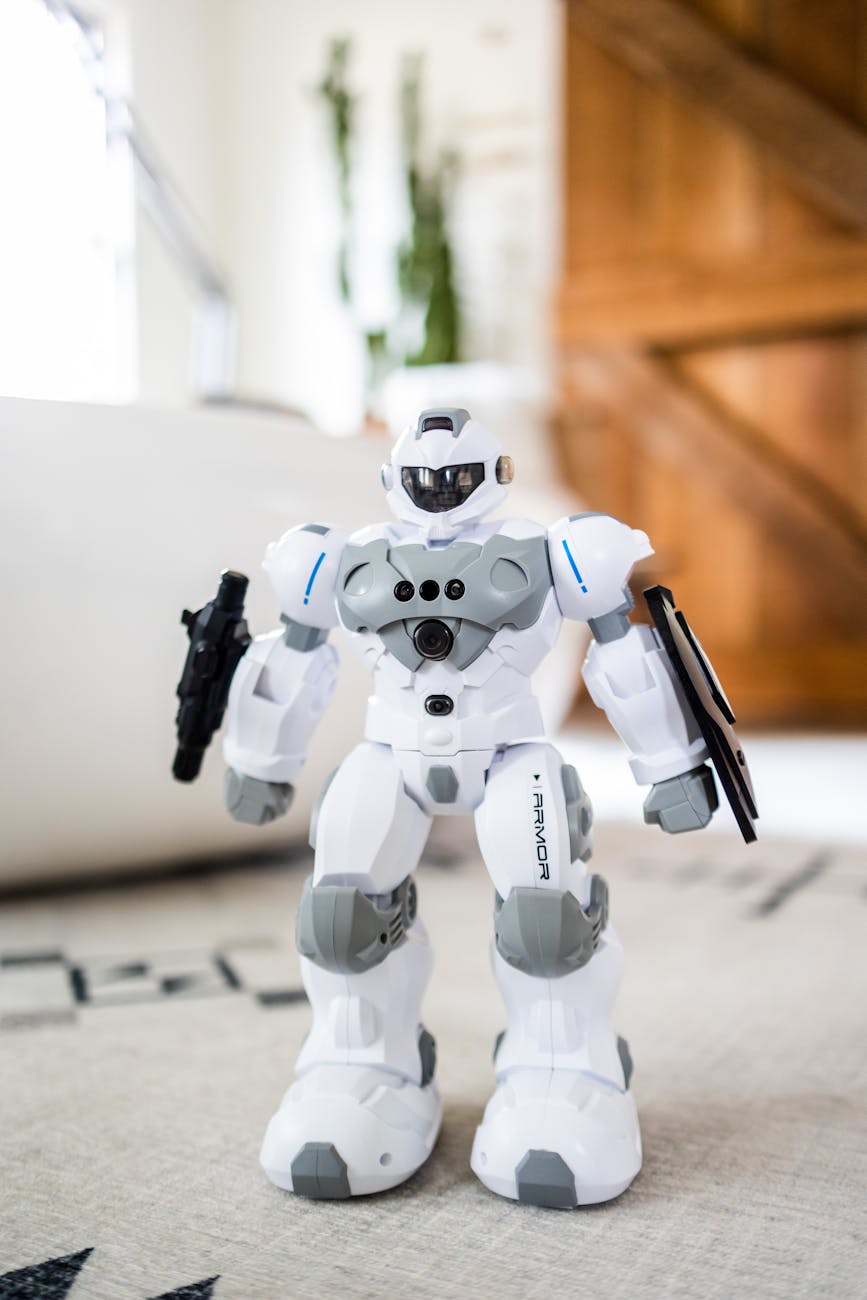
Robot security guards are changing the way we think about safety and surveillance. These high-tech machines use cameras, sensors, and artificial intelligence to patrol areas and spot potential threats. They can work around the clock without getting tired, making them a useful addition to human security teams.
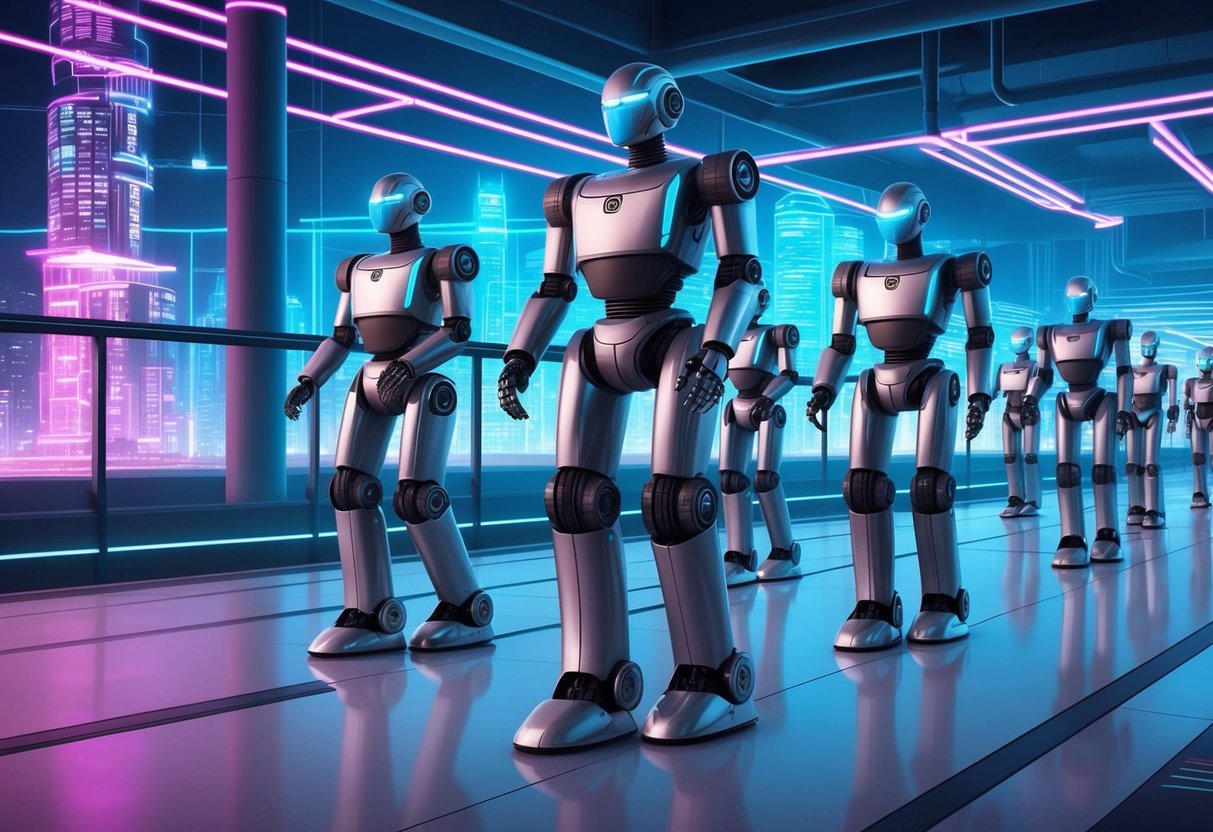
Robot guards can do many things that people can’t, like seeing in the dark and tracking multiple video feeds at once. They’re being used in more places, from shopping malls to office buildings. Some newer models can even talk to people and give directions.
While robot guards have some cool features, they also raise questions. People wonder if they’re as good as human guards at handling complex situations. There are also concerns about privacy and how these robots store and use the data they collect.
Key Takeaways
- Robot guards use advanced tech to patrol and monitor areas 24/7
- They can see and do things humans can’t, but may struggle with complex tasks
- The use of robot guards is growing but raises privacy and effectiveness questions
Evolution of Security Solutions

Security has changed a lot over time. New tools and methods have made guarding places safer and more high-tech.
Transition from Human Guards to Security Robots
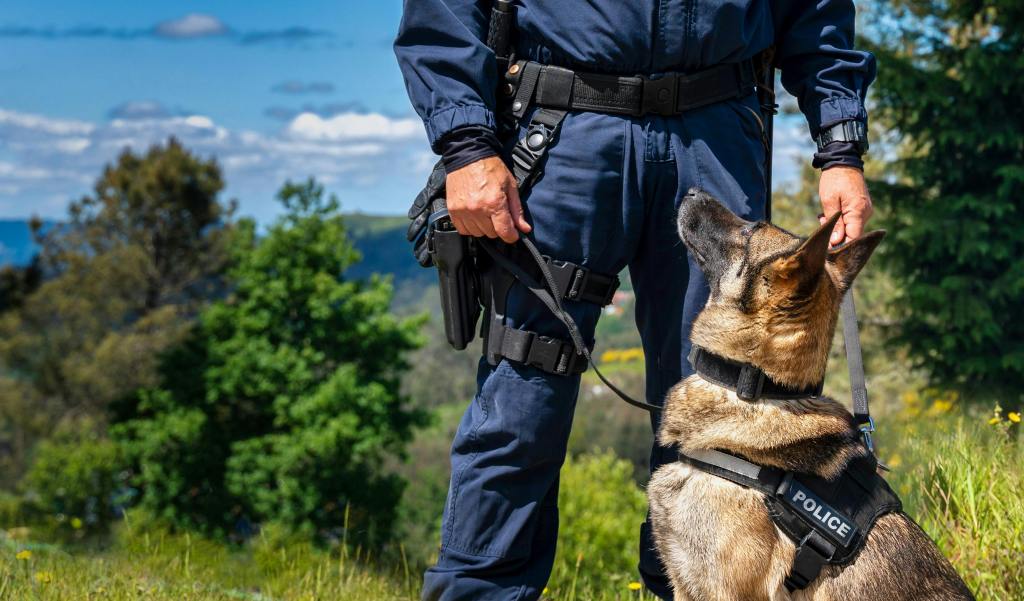
In the past, people relied on human guards to keep places safe. Guards walked around, watched for threats, and responded to issues. But now, security robots are taking on more tasks. These robots can patrol areas 24/7 without getting tired.
Security robots have cameras and sensors. They can spot things humans might miss. For example, they can find open doors or water leaks. Some robots can even hear strange sounds and check them out.
Many places now use both human guards and robots. This mix helps cover more ground. Robots handle routine tasks, while humans deal with complex issues. Guards can also control robots from far away, adding extra eyes in more places.
As tech gets better, security robots keep improving. They’re getting smarter and can do more things. This shift is changing how we think about keeping spaces safe.
Key Technologies in Robotic Security

Robot security guards use advanced tech to keep places safe. These machines rely on smart systems and special tools to spot problems fast.
Artificial Intelligence and Machine Learning
AI gives robot guards the brains to do their job well. These smart systems let robots make quick choices without human help. Machine learning helps the bots get better over time.
AI lets robots scan areas and pick out odd things. They can spot items left behind or people acting strange. The bots use past data to know what’s normal and what’s not.
Smart robots can also talk to humans. They answer questions and give directions. This helps free up human guards for tougher tasks.
AI-driven security robots can save money for businesses. They work 24/7 without breaks, making them a good choice for many places.
Facial Recognition and Threat Detection

Robot guards use cameras and special software to check faces. This helps them spot known bad guys fast. The tech can scan lots of people at once in busy spots.
The bots compare faces to lists of wanted people. If they find a match, they tell human guards right away. This helps catch criminals before they cause trouble.
Threat detection systems look for weapons or other dangers. They use sensors to check for metal or odd shapes. This helps keep weapons out of safe areas.
Some robots can even smell for drugs or explosives. They use special sensors to pick up tiny traces in the air. This adds another layer of safety to their patrols.
Benefits of Implementing Robot Security Guards
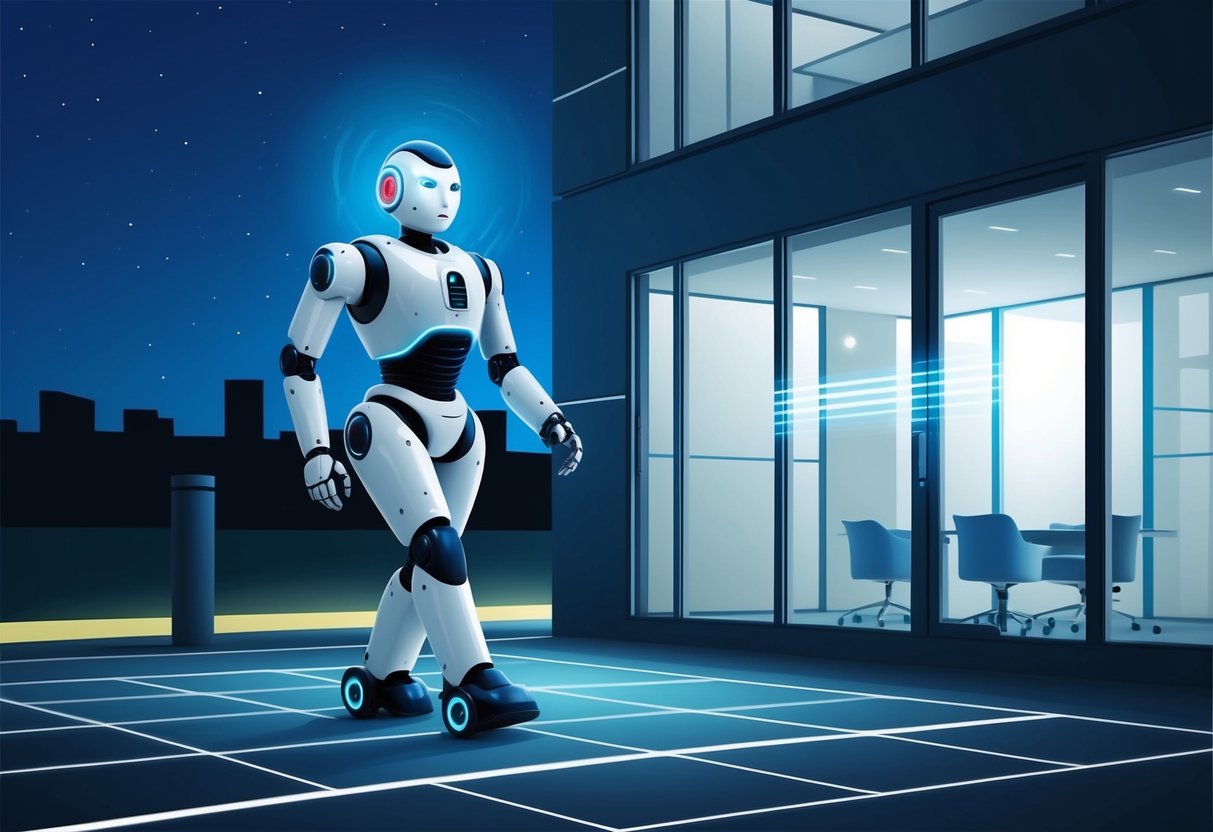
Robot security guards offer major advantages over traditional human guards. They provide constant vigilance and can handle dangerous situations without risking human lives.
Effectiveness in Hazardous Environments
Robot guards excel in risky settings that could harm humans. They can patrol areas with extreme temperatures, toxic fumes, or radiation without danger. This makes them ideal for securing industrial sites, chemical plants, and nuclear facilities.
These robots don’t tire or lose focus in harsh conditions. They can work 24/7 in environments too hot, cold, or dangerous for people. This improves safety and reduces liability risks for companies.
Robot guards can also enter disaster zones or active crime scenes. They gather crucial data while keeping human responders out of harm’s way. Their ability to operate in hazardous areas expands security coverage to previously inaccessible locations.
Enhanced Surveillance Capabilities
Security robots have advanced sensors and cameras that surpass human abilities. They can detect tiny details and monitor large areas continuously without fatigue.
Many robots use thermal imaging to spot intruders in total darkness. Some have microphones to identify unusual sounds. Others use AI to analyze behavior patterns and flag suspicious activity.
These high-tech capabilities allow robots to notice things humans might miss. They can quickly alert human guards to real threats while reducing false alarms. This makes the whole security team more effective.
Robot patrols also create detailed logs of all activity. This gives companies a complete record for investigations or audits. The consistent data improves overall security management.
Case Studies and Real-World Applications

Robot security guards have proven their worth in various settings. Companies like Knightscope and SMP Robotics have deployed their machines with impressive results. These robots excel in outdoor patrols and autonomous surveillance.
Knightscope and SMP Robotics Success Stories
Knightscope’s K5 robot has made waves in the security industry. It detected human activity in a restricted area, alerting staff to potential threats. The K5 stands 5 feet tall and weighs 300 pounds, making it a visible deterrent.
SMP Robotics offers similar solutions. Their S5 model patrols large outdoor areas. It uses AI to spot unusual behavior and can operate in harsh weather conditions.
Both companies report reduced crime rates where their robots are deployed. Shopping centers and corporate campuses have seen particular success with these robotic guards.
Outdoor Security and Autonomous Patrols
Outdoor security robots shine in large, open spaces. They can cover more ground than human guards and work 24/7 without breaks. These patrol robots use cameras, sensors, and AI to detect potential threats.
Autonomous patrols are a key feature. Robots can follow set routes or adapt to changing conditions. They record video footage and alert human operators when needed.
Some models can even interact with people, answering questions or providing directions. This dual role as security guard and information kiosk adds value for many clients.
Challenges and Considerations for Adoption
Robot security guards bring new possibilities but also face hurdles in implementation. Companies must weigh the pros and cons carefully before adopting this technology.
Integrating Robots into Existing Security Infrastructure
Robot security guards need to work smoothly with current security systems. This includes connecting to cameras, alarms, and access control devices.
IT teams must ensure robots can communicate with central command centers. Software updates are crucial to keep robots functioning properly and securely.
Training human guards to work alongside robots is essential. Clear protocols help define roles and responsibilities for both.
Maintenance plans are needed to keep robots operational. This may require new skills for security staff or partnerships with robotics companies.
Addressing Privacy and Ethical Concerns
Robot guards equipped with cameras and sensors raise privacy issues. Companies must set clear data collection and storage policies.
Facial recognition use by robots is controversial. Rules on when and how this technology is applied are important.
Transparency about robot capabilities helps build trust. Signs informing people about robot patrols can reduce concerns.
Ethical considerations include potential bias in AI decision-making. Regular audits of robot behavior help catch and correct unfair practices.
Emergency protocols for robot malfunctions are crucial. Human oversight ensures robots don’t make dangerous mistakes.


 TechPowered
Leave a reply to Robot Nurses: The Future of Healthcare Automation – TechPowered Cancel reply