

Introduction
Product roadmaps are vital tools for guiding product development and communicating strategy. They show the path a product will take over time, including key features, goals, and milestones. A well-crafted product roadmap aligns teams, sets clear priorities, and helps everyone understand the product vision.

There are many types of product roadmaps, each serving different purposes and audiences. Some focus on timelines, others on features or goals. Examples include release plans, sprint plans, and now-next-later roadmaps. The best roadmap style depends on the product, team, and organizational needs.
Creating an effective product roadmap takes careful planning and input from various stakeholders. It should be flexible enough to adapt to changes while still providing a clear direction. Many companies use specialized tools or templates to build and maintain their roadmaps, making it easier to update and share them as needed.
Key Takeaways
- Product roadmaps outline a product’s goals, features, and timeline
- Different roadmap types serve various audiences and purposes
- Effective roadmaps balance clarity, flexibility, and strategic vision
Fundamentals of a Product Roadmap
Product roadmaps guide a product’s journey from idea to reality. They lay out key goals, strategies, and timelines to keep teams focused and aligned.
Defining Product Roadmap
A product roadmap is a visual plan that shows the direction and progress of a product over time. It outlines the vision, goals, and main features to be developed. Product roadmaps help teams see the big picture and understand how their work fits into the overall strategy.
Roadmaps come in different formats. Some use timelines, while others group items by priority. The best format depends on the product and team needs.
Good roadmaps are clear, flexible, and easy to update. They focus on outcomes rather than just listing features.
Importance of Roadmap Alignment
Alignment is key for successful product development. A well-crafted roadmap gets everyone on the same page. It shows how daily tasks connect to bigger goals.
Roadmaps help:
- Teams work together better
- Leaders make informed choices
- Stakeholders understand product direction
When teams align with the roadmap, they make smarter decisions. They can spot risks early and adapt plans as needed.
Regular roadmap reviews keep alignment strong. This helps catch issues before they grow.
Components of a Product Roadmap
A solid product roadmap has several key parts:
- Product vision: The long-term goal for the product
- Strategic objectives: Main aims that support the vision
- Timelines: Rough estimates for when goals will be met
- Features and initiatives: Key items to be developed
- Metrics: Ways to measure success
Roadmaps should also show dependencies between items. This helps teams plan their work better.
The level of detail varies. Near-term items are more specific, while long-term goals are broader. This allows for flexibility as things change.
Roles and Responsibilities
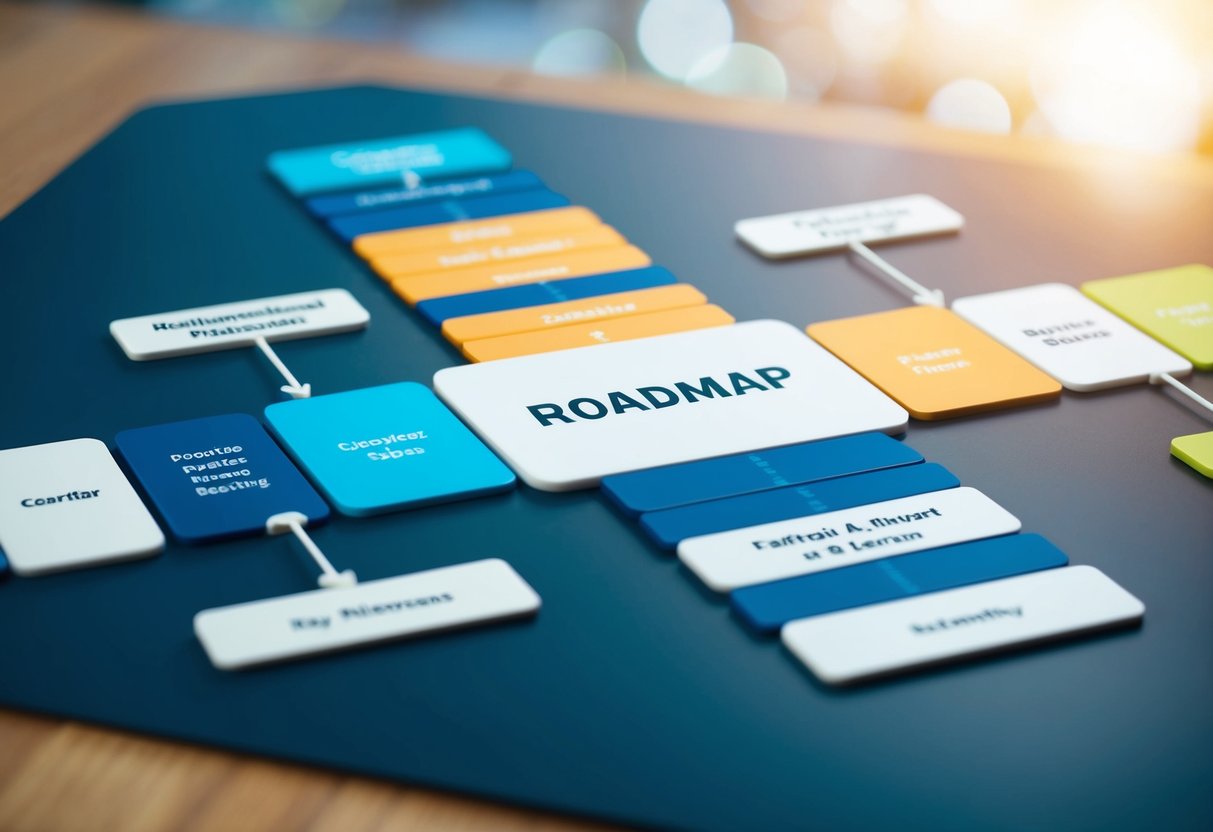
Creating a product roadmap involves different people working together. Each person has a special job to do. Let’s look at who does what when making a roadmap.
Product Managers as Roadmap Architects
Product managers lead the way in making roadmaps. They talk to customers to find out what they want. Then, they work with the team to plan new features. Product managers also:
- Set goals for the product
- Choose which ideas to work on first
- Update the roadmap as things change
They make sure the roadmap fits with the company’s big plans. Product managers also explain the roadmap to others in the company. This helps everyone understand where the product is going.
Stakeholders’ Impact on Roadmaps
Stakeholders are people who care about how the product does. They can be:
- Company leaders
- Sales teams
- Marketing teams
- Customers
These people give ideas for the roadmap. Company leaders might want certain features to beat other companies. Sales teams know what customers ask for most. Customers themselves can say what they need.
Stakeholders help decide what goes on the roadmap. But the product manager makes the final choice. They balance what stakeholders want with what’s best for the product. This teamwork helps make a roadmap that works for everyone.
Strategic Planning and Vision

A product roadmap links strategy to execution. It shows how a product will grow and evolve to meet business goals and user needs over time.
Crafting a Product Strategy and Vision
A product strategy sets the direction for development. It outlines what the product aims to achieve and how it will get there. The strategy should align with company goals and user needs.
A product vision paints a picture of the future. It describes what the product will become and how it will make a difference. SpaceX’s vision to populate Mars is a bold example. The vision guides decisions and inspires teams.
Product managers use the strategy and vision to make choices. These choices shape the roadmap and product features. A clear strategy helps teams stay focused on what matters most.
Setting Clear Product Goals
Product goals are specific targets that support the strategy. They define what success looks like for the product. Goals should be measurable and time-bound.
Examples of product goals:
- Increase user retention by 20% in 6 months
- Launch in 3 new markets by Q4
- Reduce customer support tickets by 30% this year
Goals help teams prioritize work. They also allow progress tracking. Product initiatives on the roadmap should link back to these goals.
Teams should review and update goals regularly. This keeps the roadmap current and relevant as market needs change.
Roadmap Execution
Executing a product roadmap requires careful planning and coordination. Teams must prioritize tasks, allocate resources, and set realistic deadlines to bring the roadmap to life.
Prioritizing and Scheduling
Product teams use prioritization frameworks to decide which features to build first. They look at factors like customer value, business impact, and effort required. A common method is the MoSCoW technique: Must-haves, Should-haves, Could-haves, and Won’t-haves.
Teams often use timeline roadmaps to show when features will be released. These visual tools help everyone see what’s coming up and when. Gantt charts are useful for breaking down big projects into smaller tasks with start and end dates.
Milestones mark important points in the roadmap. They could be major feature launches or key project phases. Setting clear milestones helps teams stay on track and measure progress.
Resource Allocation and Deadlines
Assigning the right people and tools to each task is crucial for roadmap success. Teams need to balance workloads and make sure they have the skills needed for each project phase.
Deadlines keep work moving forward. They should be realistic but also push the team to deliver. It’s important to build in some extra time for unexpected issues.
Resource allocation often involves tough choices. Teams may need to delay some features to focus on high-priority items. Regular check-ins help ensure resources are being used well and deadlines are still achievable.
A resource allocation table can help track who’s working on what:
| Team Member | Project | Time Allocated |
|---|---|---|
| Alice | Feature A | 50% |
| Bob | Feature B | 75% |
| Charlie | Testing | 100% |
This approach helps prevent overload and keeps the roadmap on schedule.
Types of Roadmaps
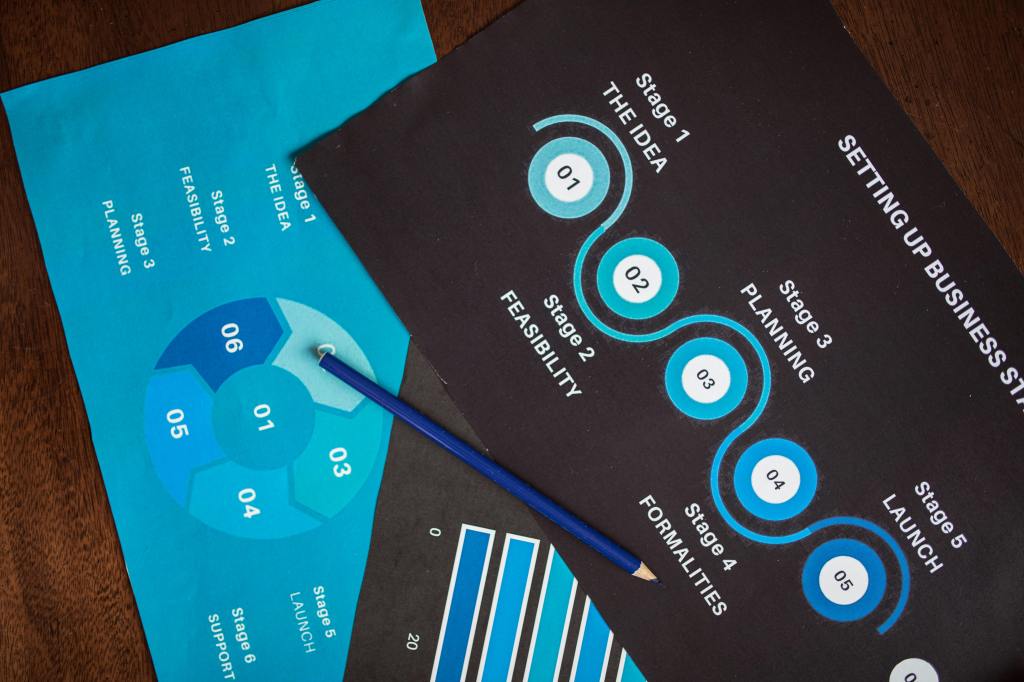
Product roadmaps come in different forms to suit various needs. Each type helps teams plan and communicate product strategy effectively.
Product Launch Roadmap
A product launch roadmap outlines the steps to bring a new product to market. It includes key milestones like market research, development phases, and marketing activities. Teams use this roadmap to track progress and ensure all parts of the launch are on schedule.
The roadmap often shows:
- Research and planning phase
- Development timeline
- Testing periods
- Marketing campaign dates
- Launch day activities
This type of roadmap helps keep everyone focused on the big day. It also makes sure no important tasks are missed in the rush to launch.
Feature Roadmap
Feature roadmaps show what new abilities a product will gain over time. They list planned features and when they’ll be added. This helps teams prioritize work and lets customers know what’s coming.
Key parts of a feature roadmap:
- Feature names
- Brief descriptions
- Planned release dates
- Priority levels
Teams often use a now-next-later format for feature roadmaps. This groups features into near-term, mid-term, and long-term plans. It gives a clear picture of what’s being worked on right now and what’s planned for the future.
Agile Product Roadmap
Agile product roadmaps are flexible plans that change as teams learn more. They focus on short-term goals while keeping long-term aims in view. These roadmaps often use sprints or iterations to show progress.
Common elements:
- User stories or epics
- Sprint dates
- Release markers
- Themes or goals
Agile roadmaps don’t set strict deadlines far in advance. Instead, they allow teams to adapt to new info and changing needs. This fits well with agile methods that value responding to change over following a fixed plan.
Tools and Templates
Product managers use various tools and templates to create effective roadmaps. These resources help teams plan, visualize, and share product strategies.
Product Roadmap Templates
Many free and paid templates make roadmap creation easier. Timeline templates show product plans across weeks or months. Feature-based templates focus on upcoming functionality. Goal-oriented templates link product plans to business objectives.
Some popular template types include:
- Now/next/later roadmaps
- Gantt charts
- Kanban boards
- Strategic roadmaps
- Release plans
Templates can be customized to fit specific product needs. They save time and provide a consistent format for communication.
Technology Enabling Collaboration
Digital tools boost teamwork on product roadmaps. Cloud-based software lets teams edit and view roadmaps in real-time. This keeps everyone up-to-date on product plans.
Key features of roadmap software include:
- Drag-and-drop interfaces
- Data integration
- Automated updates
- Sharing options
These tools create interactive dashboards. Teams can easily adjust plans as priorities change. Communication features like comments and notifications keep stakeholders informed.
Measuring Success
Tracking the right metrics and gathering user feedback are crucial for evaluating a product roadmap’s effectiveness. These practices help teams make data-driven decisions and improve their products.
Key Performance Indicators and Metrics
Product teams use specific KPIs to gauge success. Common metrics include user engagement, retention rates, and customer satisfaction scores.
Teams may track:
- Daily/monthly active users
- Time spent in the app
- Feature adoption rates
- Customer lifetime value
It’s important to choose metrics that align with product goals. For example, a social media app might focus on user growth and engagement. A productivity tool could prioritize task completion rates and time saved.
Regularly reviewing these numbers helps spot trends and areas for improvement.
Iterative Improvement and Feedback
User feedback is vital for refining products. Teams can gather insights through:
- In-app surveys
- User interviews
- Support ticket analysis
- Beta testing programs
This input helps identify pain points and desired features. Teams should act on feedback quickly to show users their opinions matter.
A/B testing lets teams try out changes with small user groups. This method reduces risks when rolling out new features.
Regular product updates based on user needs keep the roadmap flexible and responsive.
Communicating the Roadmap
A product roadmap is only useful when shared effectively. Clear communication and regular updates help align teams and keep stakeholders informed about product progress and priorities.
Effective Communication with Stakeholders
Product managers should tailor roadmap presentations to different audiences. For executives, focus on high-level strategy and business impact. Development teams need more technical details and sprint-level plans. Sales and marketing require information on upcoming features to share with customers.
Use visual aids like charts or timelines to make the roadmap easy to understand at a glance. Schedule regular meetings to review the roadmap with key groups. This keeps everyone on the same page and allows for questions and feedback.
Consider creating both internal and public versions of the roadmap. The internal version can include more details, while a public roadmap shares general direction with customers.
Maintaining Transparency and Updates
Keep the roadmap up to date as priorities shift. Set a regular schedule for roadmap reviews and updates, such as monthly or quarterly. This helps maintain its accuracy and usefulness.
Share status updates on roadmap items through team meetings, email newsletters, or a central dashboard. Flag any major changes or delays promptly.
Be open about the reasons behind roadmap decisions. This builds trust and helps teams understand the product strategy. Remember that a roadmap is a living document that will evolve over time.
Use tools that allow easy sharing and collaboration on the roadmap. This might include project management software or specialized roadmap tools.
Frequently Asked Questions
Product roadmaps help teams plan and communicate their strategies. They outline key features, timelines, and goals. Here are some common questions about creating and using roadmaps effectively.
What are the key components of an effective product roadmap?
An effective product roadmap has a clear vision and goals. It includes prioritized features and timelines. The roadmap shows resource needs and expected outcomes. It also links product plans to business objectives.
Good roadmaps are flexible and can adapt to changes. They focus on customer value rather than just technical details.
How can a product roadmap facilitate communication with stakeholders?
A roadmap gives stakeholders a big-picture view of product plans. It shows what’s coming and when. This helps set expectations and get buy-in from different teams.
Roadmaps can spark discussions about priorities and trade-offs. They make it easier to explain decisions and get feedback. Regular roadmap reviews keep everyone aligned on product direction.
What are some best practices for creating a product roadmap in an Agile environment?
Agile roadmaps should be flexible and focus on outcomes. They often use themes instead of specific features. This allows teams to adjust plans based on new information.
Keep the roadmap high-level and avoid too much detail. Update it often as you learn from sprints and user feedback. Make sure it aligns with sprint goals and product backlogs.
In what ways can a product roadmap be tailored to customer needs?
Start by talking to customers and analyzing their feedback. Use this info to set roadmap priorities. Group features by customer problems they solve, not just technical categories.
Include customer-focused metrics in your roadmap. Show how each planned item will improve the user experience. Regularly share updates with customers to get their input.
How is a product roadmap typically structured for a presentation?
A roadmap presentation often starts with the product vision. It then shows key goals and metrics. The main part outlines planned features or themes along a timeline.
Use visuals like charts or graphs to make the info clear. Highlight major milestones and release dates. End with next steps and areas where you need input or decisions.
What are the different types of product roadmaps, and when should each be used?
Feature-based roadmaps list specific product updates. They work well for stable products with clear plans. Goal-oriented roadmaps focus on objectives rather than features. These fit agile teams and uncertain markets.
Theme-based roadmaps group work into broad categories. They’re good for complex products with many moving parts. Release roadmaps show launch dates and are useful for coordinating with other teams.


 TechPowered
Leave a reply to User Experience Process: A Streamlined Approach for Optimal Design Outcomes – TechPowered Cancel reply