
Summary
Scope creep is a common challenge in project management, especially within the Agile framework. It refers to the gradual expansion of a project’s goals beyond its original boundaries.

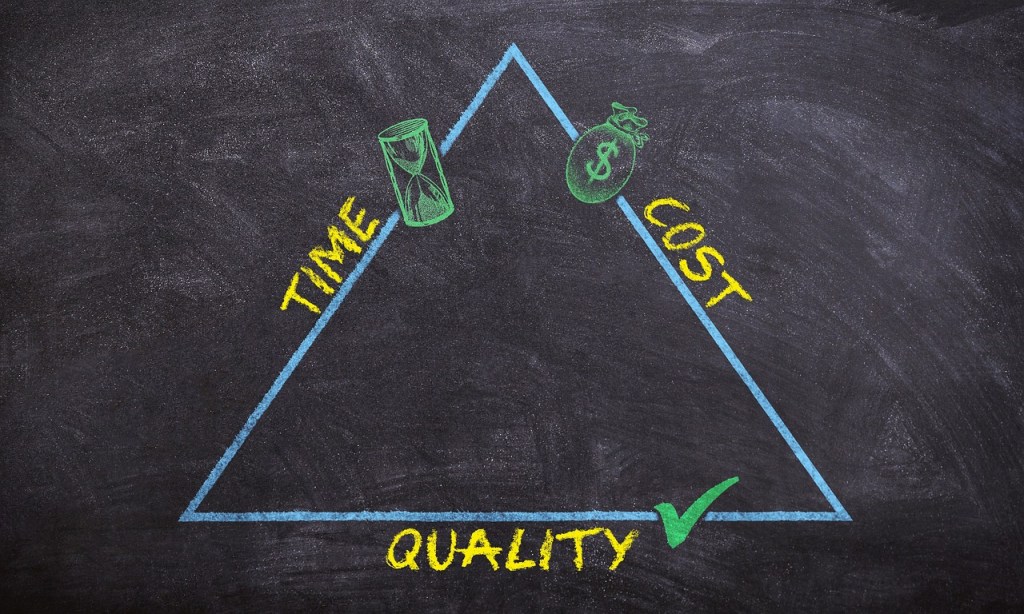
In Scrum, a popular Agile approach, teams face the ongoing task of balancing quantity and quality. This balance requires careful planning, clear communication, and strategic decision-making.
Effective scope management in Agile projects involves setting clear goals, engaging stakeholders, and implementing change control mechanisms to keep projects on track.
Key Takeaways
- Scope creep can significantly impact Agile project timelines and outcomes
- Clear goals and regular communication help prevent unwanted scope expansion
- Balancing flexibility with focus is crucial for Agile project success
Managing Project Scope in Agile

Agile methods like Scrum aim to be flexible, but this can lead to scope creep. Scope creep happens when a project grows beyond its first goals. This can cause problems with time, money, and quality.
Teams need to find a balance between being adaptable and staying on track. Here are some tips to help:
- Set clear goals at the start
- Review the project scope often
- Communicate changes to everyone
- Prioritize tasks carefully
The Product Owner plays a key role. They should:
- Maintain the product backlog
- Make tough choices about features
- Work closely with stakeholders
With good planning and teamwork, Agile projects can stay focused while still being flexible.
Keeping Projects on Track in Agile

Agile methods offer flexibility, but can also lead to unplanned growth in project scope. This happens when new tasks or features get added without proper planning. It’s like a snowball that keeps getting bigger as it rolls downhill.
In Scrum and other Agile approaches, teams need to watch out for this issue. The Scrum Master plays a key role in preventing scope creep. They help the team stay focused on the agreed-upon goals.
Here are some ways scope can expand in Agile projects:
- Stakeholders asking for extra features
- Unclear project goals
- Poor communication between team members
- Developers adding unnecessary complexity
To avoid these problems, Agile teams can:
- Set clear goals at the start
- Review and update the backlog regularly
- Have open talks about new ideas and their impact
- Use time-boxed sprints to limit changes
Kanban boards can help teams see their work and spot when too much is being added. Developers should speak up if they notice the project growing beyond what was planned.
Good Agile project management means finding a balance. Teams need to be open to change while also keeping the project on track. It’s about knowing when to say yes to new ideas and when to stick to the original plan.
Regular check-ins with stakeholders can help keep everyone on the same page. This way, if the project does need to change, it’s a team decision rather than a surprise.
By staying alert and working together, Agile teams can keep their projects from getting too big to handle. This helps ensure they deliver what was promised, on time and within budget.
Agile’s Flexible Edge: Balancing Adaptability and Focus

Agile projects bring a fresh approach to software development. They allow teams to adjust quickly as needs change. This method helps create products that truly matter to customers.
The key strength of Agile lies in its adaptability. As projects move forward, teams can:
- Respond to new feedback
- Tackle unexpected issues
- Make improvements on the fly
This is very different from older, more rigid ways of managing projects. In those methods, changes often caused big problems.
But Agile’s flexibility can be tricky to handle. If teams aren’t careful, it can lead to some challenges:
- Scope creep: The project keeps growing larger
- Shifting goals: The end result may not match the original plan
- Loss of focus: Too many changes can make the project lose direction
To use Agile well, teams need to be both flexible and disciplined. They should:
- Think carefully about each proposed change
- Ask if changes support the main project goals
- Keep an eye on the big picture
When used right, Agile principles can lead to:
| Benefits | Challenges to Watch For |
|---|---|
| Better products | Scope expansion |
| Happier customers | Unclear priorities |
| More efficient work | Project drift |
Teams that master Agile find a sweet spot. They stay open to helpful changes while keeping the project on track. It’s a delicate balance, but when done well, it leads to great results.
Balancing Features and Excellence: The Core Challenge

Tactics for Achieving Equilibrium
Product teams often grapple with delivering many features while maintaining high standards. This challenge requires careful planning and execution.
The Product Owner plays a key role in managing the product backlog. They must prioritize items that add the most value. Teams can use story mapping to visualize user journeys and focus on critical features.
Quality should be non-negotiable. Teams need clear standards in their Definition of Done. Each sprint should include time for testing and code reviews. Everyone on the team is responsible for quality, not just testers.
Feature toggles allow teams to develop new functions without disrupting the main codebase. Starting with a solid Minimum Viable Product (MVP) before adding extras can help maintain focus.
Cross-functional teamwork is crucial. Developers, testers, and designers should collaborate closely. Pair programming can improve code quality for complex features. Regular internal demos catch issues early.
Managing technical debt is essential. Teams should set aside time in each sprint to address it. The “boy scout rule” – leaving code better than you found it – can help improve quality over time.
Educating stakeholders about the benefits of high quality is important. Using metrics to show how rushed work impacts future productivity can be effective.
Flexible release planning helps teams adapt to changing priorities. Being open to deferring less important features can help maintain quality standards.
Scrum Master and Product Owner Support
The Scrum Master and Product Owner play vital roles in balancing quality and quantity. They work together to:
- Guide discussions on feature importance
- Teach agile principles to the organization
- Set realistic sprint goals
- Uphold quality standards
The Scrum Master guards against scope creep, while the Product Owner balances stakeholder wishes with technical realities.
Teams must be careful when adding new items to the sprint backlog. Extra features can lead to compromised quality if not managed well.
Here are some strategies to prevent scope creep:
- Strict change control process
- Clear communication with stakeholders
- Regular backlog refinement
- Time-boxing sprints
- Prioritizing based on business value
Product Owners should rank backlog items by their importance to users and the business. This helps teams focus on delivering high-value features with excellent quality.
Scrum Masters can facilitate conversations about the impact of adding work mid-sprint. They help teams understand how changes affect sprint goals and overall product quality.
Regular sprint reviews allow stakeholders to see progress and give feedback. This can reduce the urge to add new features mid-sprint.
Teams should track their velocity and use it to plan future sprints realistically. Taking on too much work often leads to cutting corners on quality.
A balance between features and quality leads to better products. It’s not about how many features a team can deliver, but how well those features meet user needs.
By focusing on value and excellence, teams can create products that truly resonate with users. This approach helps avoid the pitfalls of scope creep and ensures long-term success.
Managing Stakeholder Expectations in Agile Projects

Stakeholder management plays a key role in keeping Agile projects on track. When done well, it helps prevent scope creep and keeps everyone focused on the main goals.
Teams need to talk with stakeholders early and often. This helps make sure everyone understands what the project aims to do.
Regular check-ins allow teams to:
- Share progress updates
- Get feedback on work done so far
- Talk about any new ideas or changes
It’s important to be open about how changes might affect the project. Teams should explain clearly if new requests will take more time or money.
A good way to manage stakeholder input is to use a simple chart:
| Request | Impact | Priority |
|---|---|---|
| Add feature X | +2 weeks, $5000 | Medium |
| Change design Y | +1 week, $2000 | Low |
| Fix bug Z | +3 days, $1000 | High |
This helps everyone see how different choices affect the project. It makes it easier to pick what’s most important.
Teams should also think about these tips:
- Set clear limits on what can change
- Explain why some ideas may not fit right now
- Look for ways to meet needs without expanding scope
- Keep a list of ideas for future projects
By working closely with stakeholders, teams can stay flexible while avoiding too much change. This keeps projects moving forward and helps deliver what’s most valuable.
Spotting Signs of Project Scope Expansion

Project managers need to stay alert for signs that a project is growing beyond its original boundaries. This expansion, often called scope creep, can lead to problems if not addressed.
One key sign is when project requirements keep changing. Team members might hear phrases like “Can we just add this small feature?” These little changes can add up quickly.
Missed deadlines are another red flag. While some delays are normal, frequent missed targets may mean the project has taken on too much.
Budget overruns can also point to scope issues. If costs start to exceed the plan, it might be due to extra work that wasn’t budgeted for.
Different opinions from stakeholders can cause problems too. If team members get conflicting feedback, it may mean the project is trying to do too many things at once.
Here’s a quick checklist of warning signs:
- Frequent changes to project requirements
- Missed deadlines becoming common
- Costs exceeding the budget
- Conflicting feedback from stakeholders
- Team feeling overwhelmed or stressed
Paying attention to these signs can help teams stay on track. By catching scope creep early, projects have a better chance of meeting their goals on time and within budget.
Defining Project Direction and Key Priorities

Setting a clear course for a project is crucial for its success. At the start, teams must outline specific goals and rank their importance. This step creates a shared vision and keeps everyone on track.
In Agile projects, clear objectives help balance flexibility with focus. They guide decision-making during sprint planning and execution.
Teams can adapt to changes while staying true to the project’s core aims.
Key elements in defining project direction:
- Specific, measurable goals
- Prioritized list of features
- Agreed-upon success criteria
- Timeline milestones
A well-defined scope acts as a map for the project journey. It helps teams:
- Stay focused on essential tasks
- Avoid unnecessary work
- Make informed decisions quickly
- Measure progress effectively
Regular check-ins on goals and priorities keep the project aligned. This practice helps prevent scope creep – the gradual expansion of project requirements.
Teams should create a clear scope statement that includes:
| Element | Description |
|---|---|
| Objectives | Main project goals |
| Deliverables | Expected outputs |
| Constraints | Time, budget, resources |
| Exclusions | What’s not included |
By setting firm boundaries early, teams can work efficiently within set limits. They can also spot and address potential issues before they grow into major problems.
Managing Project Changes

Change control mechanisms are key to keeping projects on track. These tools help teams handle new ideas without losing focus. They create a clear process for suggesting and reviewing changes.
When someone wants to add something new, they must follow set steps. This helps avoid scope creep, which can derail projects. The steps often include:
- Submitting a change request form
- Reviewing the impact on time and budget
- Getting approval from key team members
Teams should look at each change carefully. They need to ask if it fits the project’s main goals.
It’s important to think about how a change might affect the whole project, not just one part.
Good change control also means keeping records. Teams should write down why they accept or reject each change. This helps everyone understand the project’s journey.
Here’s a simple way to rate change requests:
| Impact | Priority | Action |
|---|---|---|
| Low | Low | Reject |
| Low | High | Consider |
| High | Low | Review carefully |
| High | High | Prioritize |
By using these methods, teams can stay flexible while avoiding unnecessary additions. They can make smart choices about what to change and what to keep the same. This balance helps projects stay on budget and finish on time.
Change control isn’t about saying no to every new idea. It’s about making sure each change adds real value. With the right system, teams can adapt to new needs while still meeting their main goals.
Keeping Lines of Communication Open

Effective communication forms the backbone of successful Agile projects. It goes beyond simple updates and involves creating an environment where ideas flow freely and everyone’s input is valued. This approach helps teams stay on track and avoid unwanted changes to project scope.
Key elements of strong communication in Agile include:
- Regular team meetings
- Open feedback channels
- Clear documentation of decisions
- Transparent task tracking
By fostering a culture of openness, teams can quickly spot and address potential issues before they grow into bigger problems. This proactive stance helps maintain focus on project goals and deliverables.
Collaboration tools play a crucial role in facilitating this ongoing dialogue. Popular options include:
| Tool Type | Examples |
|---|---|
| Project Management | Jira, Trello |
| Team Chat | Slack, Microsoft Teams |
| Video Conferencing | Zoom, Google Meet |
These platforms enable real-time updates and discussions, keeping everyone in the loop regardless of location.
Transparency is another vital aspect of Agile communication. By sharing progress, challenges, and successes openly, teams build trust and foster a sense of shared responsibility. This clarity helps align everyone’s efforts towards common objectives.
Regular check-ins and sprint reviews provide structured opportunities for teams to assess progress and make necessary adjustments. These sessions allow for quick course corrections, ensuring the project stays aligned with stakeholder expectations and business needs.
By prioritizing open and ongoing communication, Agile teams can manage scope creep more effectively. This approach keeps projects on track and increases the likelihood of successful outcomes.
Documenting for Project Success
Good records are key in Agile projects. They help keep everyone on track and prevent work from growing too much.
Teams should write down all important details about their project. This includes what needs to be done, who wants what, and why choices are made.
Keeping clear records does several important things:
- Shows how the project has changed over time
- Helps team members understand the current state
- Makes it easier to spot when new tasks are added
- Gives a solid base for making smart choices
When teams write things down well, they can:
- See where new work is coming from
- Figure out if changes will help or hurt the project
- Keep everyone informed about what’s happening
Good records act like a map for the project. They show where it’s been and where it’s going. This helps teams stay focused on what really matters. It also makes it harder for extra work to sneak in without anyone noticing.
By taking time to document well, teams can work better together. They can avoid confusion and keep their project on the right path. This careful approach helps ensure the project stays within its planned scope and meets its goals.
Regular Team Check-ins and Improvement Sessions
Regular team meetings play a key role in keeping projects on track. These sessions act as a compass, guiding teams toward their goals.
They provide a space for open talks about progress and problems.
During these meetings, team members can:
- Share their thoughts on recent work
- Point out any issues that have come up
- Suggest ways to make things better
This ongoing process helps catch and fix problems early. It also builds a team culture focused on getting better all the time.
Benefits of these check-ins include:
| Benefit | Description |
|---|---|
| Adaptability | Teams can quickly adjust to changes |
| Better outcomes | Project results align more closely with goals |
| Team growth | Members learn from each other’s experiences |
By holding these meetings often, teams can stay nimble. They can also keep their work in line with what they set out to do. This helps avoid adding extra tasks that weren’t part of the original plan.
Balancing Quantity and Quality in Scrum Projects
Scrum teams often face tough choices between adding more features and improving existing ones. This challenge requires careful management and clear priorities.
Strong Scrum practices help teams stay on track:
- Regular backlog reviews
- Clear sprint goals
- Open communication with stakeholders
Focusing on value is key. Teams should ask:
- Does this new feature truly benefit users?
- Will it improve the product more than refining current features?
- Can we deliver it without sacrificing quality?
Quality culture matters too. Teams can:
- Set high standards for code and testing
- Encourage peer reviews
- Celebrate improvements, not just new features
The real aim of Scrum is creating value, not cramming in features. Saying no to some ideas lets teams perfect the most important parts of their product. With these approaches, Scrum teams can find the right mix of new features and quality enhancements.


 TechPowered
Leave a reply to Spike in Agile: Essential Tool for Risk Mitigation in Software Development – TechPowered Cancel reply