
Introduction
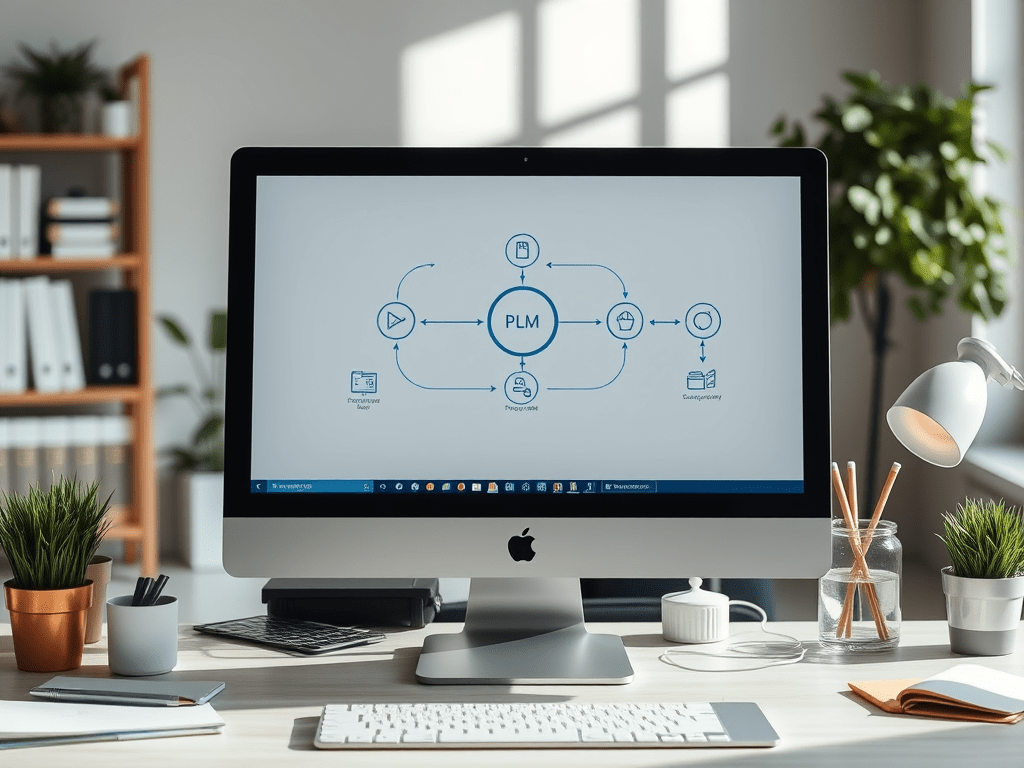
Product lifecycle management (PLM) software is a crucial tool for businesses developing and managing products. It helps companies streamline their processes, boost efficiency, and cut down on errors throughout a product’s entire lifecycle. PLM software typically costs around $80 per user per month for cloud-based subscriptions.

These digital platforms allow teams to work together on product data, documents, and workflows. They keep everyone on the same page, from initial concept to final production and beyond. PLM software makes it easier to track changes, manage resources, and make smart decisions based on real-time information.
Companies looking to stay competitive in today’s fast-paced market should consider using PLM software. It can speed up product development, reduce waste, and help bring better products to market faster. By centralizing product information, PLM tools make it simpler for different departments to collaborate and innovate.
Key Takeaways
- PLM software helps manage product data and processes from start to finish
- It improves teamwork and speeds up product development cycles
- PLM tools can lead to better products and fewer mistakes in manufacturing
Understanding Product Lifecycle Management

Product Lifecycle Management (PLM) is a system for managing products through their entire lifecycle. It helps companies develop, produce, and maintain products more efficiently.
Key Components of PLM
PLM software has several important parts. First, it includes tools for product design and engineering. These let teams create digital models and share ideas easily.
Next, PLM systems handle data management. They store all product information in one place. This makes it simple to find and use data when needed.
PLM also manages workflows. It tracks tasks and keeps projects on schedule. This helps teams work together better and finish products faster.
Lastly, PLM covers manufacturing and quality control. It ensures products are made correctly and meet quality standards.
Benefits of Implementing PLM Software
PLM software offers many advantages for businesses. It speeds up product development by improving teamwork. Teams can share information quickly, which leads to faster decisions.
PLM also reduces errors. By keeping all data in one system, it’s easier to spot and fix mistakes early. This saves time and money in the long run.
The software helps companies be more creative. It lets them try new ideas without wasting resources. PLM also makes it easier to reuse good designs in future products.
PLM improves product quality too. It tracks every step of the process, so problems are caught sooner. This leads to better products and happier customers.
The Role of PLM in Product Development
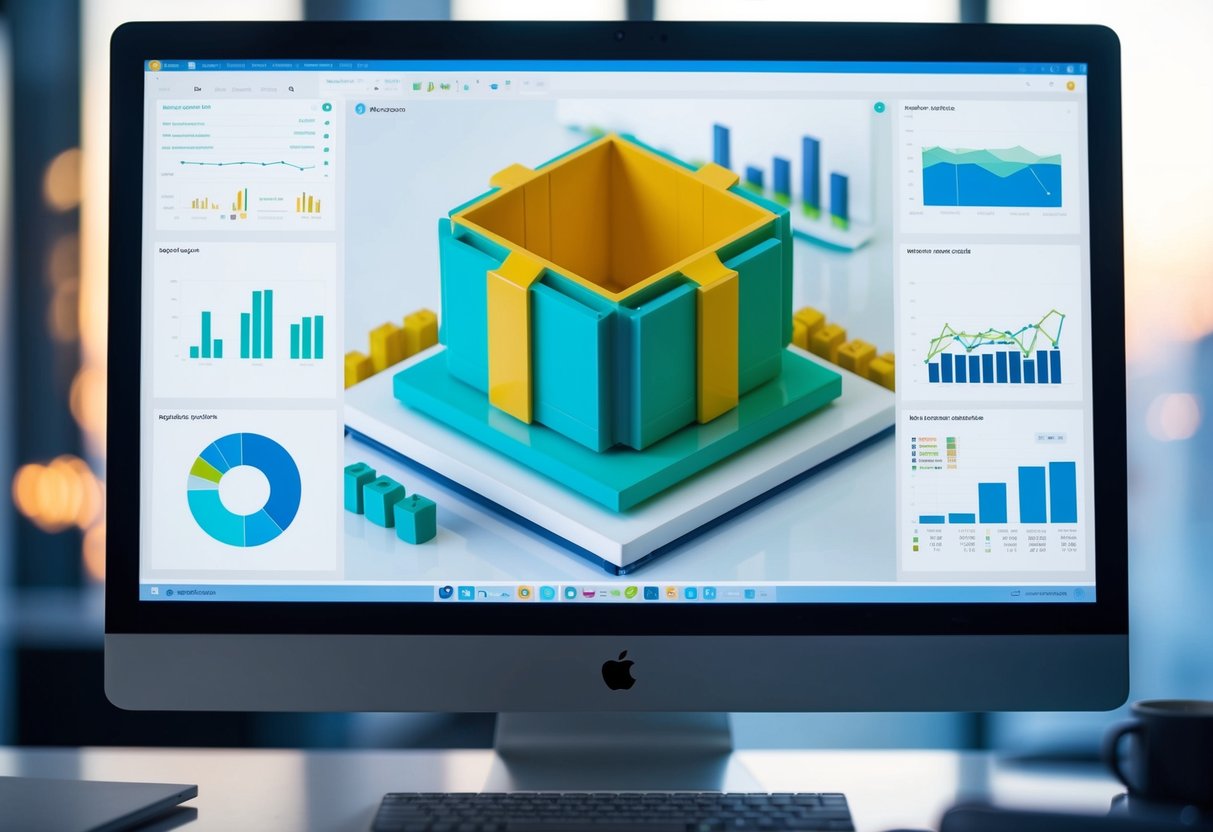
Product lifecycle management (PLM) software plays a key part in guiding products from initial ideas to final production. It helps teams work together and manage information throughout the development process.
From Concept to Design
PLM systems help turn product ideas into detailed designs. They store and organize early sketches, requirements, and specifications. This makes it easy for teams to access and update information.
PLM tools often link with computer-aided design (CAD) software. This lets designers create 3D models and technical drawings within the PLM system. Teams can then review designs, suggest changes, and track different versions.
As the design takes shape, PLM software helps manage the bill of materials (BOM). The BOM lists all the parts and materials needed to make the product. PLM keeps the BOM up-to-date as the design evolves.
Engineering and Manufacturing
During engineering, PLM systems help teams refine designs for production. They manage engineering change orders, which document design updates. This ensures all team members work with the latest product information.
PLM software also aids in quality management. It can track testing results and help teams meet regulatory standards. This helps catch and fix issues before manufacturing begins.
In the manufacturing stage, PLM systems provide data to production teams. They share final designs, assembly instructions, and material lists. This helps factories set up production lines and order the right parts.
PLM tools can also track product performance after launch. This data helps companies improve future designs and manufacturing processes.
Collaboration and Communication with PLM

Product lifecycle management software enhances teamwork and information sharing. It connects people across departments and with external partners.
Internal Team Collaboration
PLM software brings cross-functional teams together. It creates a central hub for product data and designs. Teams can access up-to-date information anytime.
The software allows real-time updates and notifications. This keeps everyone on the same page. Team members can leave comments on designs and documents.
PLM tools often include task management features. These help track project progress and deadlines. Some systems offer chat or messaging functions for quick questions.
File version control is another key benefit. It prevents confusion over which file is the latest. This is especially helpful for complex products with many parts.
Supplier and Vendor Collaboration
PLM systems extend collaboration beyond company walls. They provide secure access for suppliers and vendors. This improves communication throughout the supply chain.
Suppliers can view relevant product specs and requirements. They can also upload their own documents and designs. This reduces errors and speeds up the approval process.
Some PLM tools allow suppliers to participate in change management. They can suggest improvements or flag potential issues early on. This leads to better products and fewer delays.
The software can also help manage supplier performance. It tracks delivery times, quality metrics, and other key data. This info helps companies make better sourcing decisions.
Streamlining Operations with PLM Software

Product lifecycle management (PLM) software helps companies optimize their processes and stay organized. It improves workflow, manages changes, and ensures compliance across product development stages.
Workflow Optimization
PLM software streamlines product development workflows. It centralizes data and processes in one system. This makes collaboration easier between teams.
Engineers can access the latest product designs and specs. Managers can track project progress in real-time. The software automates routine tasks like document approvals.
PLM tools integrate with other systems like ERP and CAD. This connects design, engineering, and manufacturing data. It creates a single source of truth for product information.
Key features include:
- Bill of materials (BOM) management
- Version control for designs and documents
- Supply chain coordination
- Quality control checks
These features speed up product launches and reduce errors.
Change Management and Compliance
PLM software helps companies manage product changes and meet regulations. It tracks design revisions and updates. This creates an audit trail of modifications.
The system can enforce approval workflows for changes. It makes sure the right people review and sign off on updates. This prevents unauthorized alterations.
PLM tools store compliance documents and certifications. They can link regulations to specific product components. This helps companies:
- Meet industry standards
- Pass audits
- Avoid fines
The software can flag non-compliant designs early. This saves time and money on rework later.
Advanced PLM Software Features

Modern product lifecycle management software offers powerful capabilities to streamline product development. These advanced features help companies innovate faster and make data-driven decisions throughout a product’s lifecycle.
Integrations and Customization
PLM systems integrate with CAD software to manage 3D models and technical drawings. This integration allows engineers to access the latest product designs directly in their CAD tools. Cloud-based PLM platforms enable real-time collaboration on designs across teams and locations.
Many PLM solutions offer customizable workflows to match a company’s specific processes. Users can configure approval chains, notifications, and task assignments. Some platforms provide low-code tools for creating custom apps and dashboards.
Configurable data models let companies tailor the PLM system to their product structures and lifecycle stages. This flexibility supports diverse industries and product types.
Analytics and Machine Learning
Advanced analytics tools in PLM software help companies gain insights from product data. Interactive dashboards display key metrics on product performance, quality, and development timelines.
Machine learning algorithms can predict potential issues or delays in product development. These AI-powered features analyze historical data to identify patterns and risks.
Some PLM platforms use natural language processing to extract insights from unstructured data like customer feedback. This helps product teams understand market needs and improve designs.
Real-time analytics track product usage data from IoT-connected devices. Companies use these insights to guide product improvements and new feature development.
Selecting and Implementing PLM Solutions
Choosing the right PLM software is key for success. Companies need to compare options and plan for adoption carefully.
Comparing PLM Vendors
PLM solutions like OpenBOM, Fusion, Surefront, Propel, Enovia, and Arena PLM offer different features. Look at each vendor’s strengths. Check if they fit your company’s needs.
Make a list of must-have features. Ask for demos from top choices. Test how well they work with your current systems.
Look at pricing models. Some charge per user, others per product. Think about long-term costs as your company grows.
Check customer support options. Good help is vital during setup and daily use.
Adoption and Training
A smooth rollout is crucial for PLM success. Start with a small team to test the system. Fix any issues before wider use.
Create a clear plan for moving data to the new system. This step can take time but is very important.
Train staff in stages. Begin with key users who can then help others. Use a mix of in-person and online training.
Set up a help desk for quick answers to user questions. This speeds up adoption and cuts down on frustration.
Track usage and gather feedback. Use this info to improve the system and training over time.
Conclusion
Product lifecycle management software offers many benefits for businesses. It helps companies manage products from start to finish. PLM systems improve collaboration, efficiency, and quality control.
Key advantages include:
• Faster time to market • Lower development costs
• Better product data organization • Enhanced teamwork across departments
PLM tools integrate with other business systems. This creates a single source of truth for product information. Companies can make smarter decisions with centralized data.
The PLM market continues to grow. New technologies like AI and IoT are being incorporated. This makes PLM systems even more powerful and useful.
Businesses should carefully evaluate PLM options. The right solution depends on company size, industry, and specific needs. Proper implementation and staff training are crucial for success.
PLM software can give companies a competitive edge. It helps them innovate faster and create better products. For many organizations, PLM is becoming an essential tool for growth and profitability.

 TechPowered
Leave a comment