
Introduction
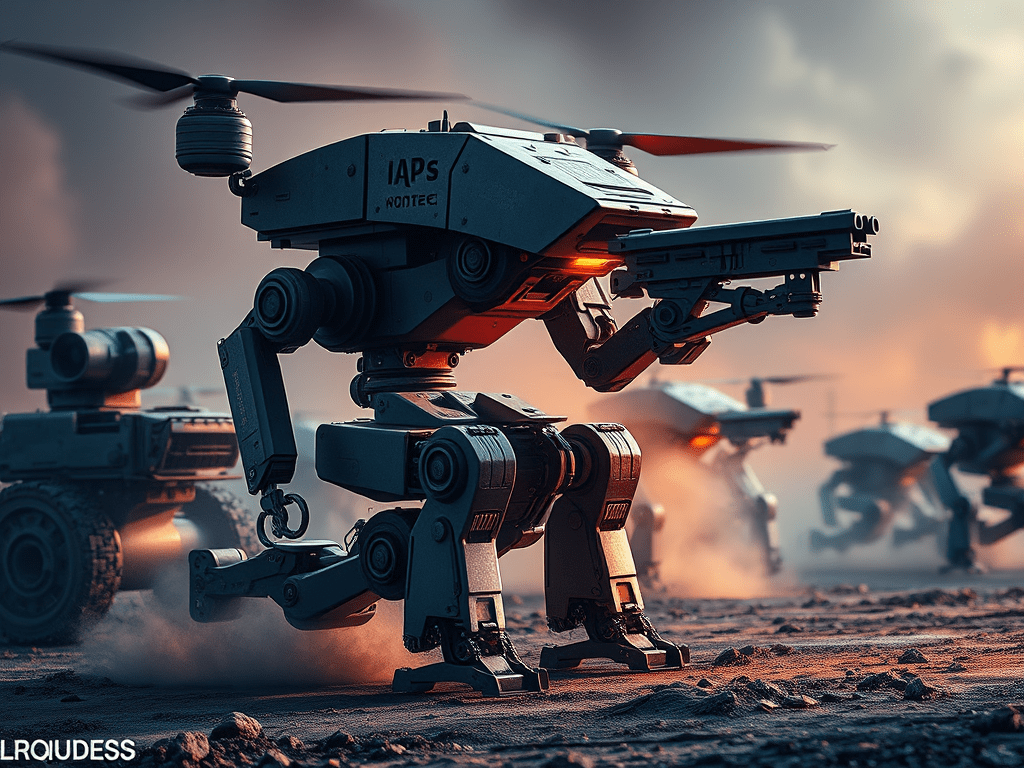
Military robots are changing the way countries fight wars. The United States, Russia, China, and Israel lead the world in making and using these high-tech machines. These countries invest heavily in military robotics to gain an edge in modern warfare.
Military robots come in many forms. Some fly through the air to spy on enemies. Others roll on the ground to help soldiers in battle. There are even robots that swim underwater to protect ships.
These machines can do dangerous jobs without putting human lives at risk.
As technology gets better, military robots will become more common. They might one day make big choices in battle on their own. This raises questions about how wars will be fought in the future. It also makes people wonder about the ethics of using robots in combat.
Key Takeaways
- The US, Russia, China, and Israel are top makers of military robots
- Military robots perform tasks like spying, fighting, and supporting troops
- Advanced robots may change how future wars are fought
Evolution of Military Robots
Military robots have come a long way since their early days. They started out as simple remote-controlled vehicles in World War II. These basic machines laid the groundwork for more advanced systems.
In the following decades, military robots became more complex. They took on new roles in combat and support tasks. Early uses included reconnaissance and logistics.
As technology improved, so did the robots’ capabilities. They gained better sensors, more powerful processors, and improved autonomy. This allowed them to handle more difficult missions.
Today’s military robots come in many shapes and sizes. Some are small enough to fit in a backpack, while others are as big as tanks. They can operate on land, in the air, and under water.
Modern military robots have diverse applications. They can:
• Detect and dispose of explosives
• Conduct surveillance
• Deliver supplies
• Provide fire support
Robots are changing how militaries approach warfare. They reduce risks to human soldiers in dangerous situations. At the same time, they raise new ethical questions about the use of autonomous weapons.
As AI and robotics continue to advance, military robots will likely play an even bigger role in future conflicts. Leading countries are investing heavily in this technology to maintain their edge on the battlefield.
Global Leaders in Military Robotics
The United States, Russia, China, Israel, and the United Kingdom are at the forefront of military robotics development. These nations invest heavily in advanced technologies to enhance their defense capabilities and gain strategic advantages.
United States
The U.S. leads in military robotics innovation and deployment. The country’s defense budget allows for extensive research and development in this field.
Key players include:
- Lockheed Martin
- Boston Dynamics
- iRobot
The U.S. military uses robots for:
- Reconnaissance
- Bomb disposal
- Combat support
Popular U.S. military robots:
- PackBot: A small, tracked robot for dangerous missions
- BigDog: A four-legged robot for carrying heavy loads
- Predator drone: An unmanned aerial vehicle for surveillance and strikes
The U.S. Army plans to integrate more robots into its forces by 2030. This includes autonomous vehicles and AI-powered decision-making systems.
Russia
Russia has made significant strides in military robotics. The country focuses on developing combat-ready robots for various scenarios.
Russian military robots include:
- Uran-9: An unmanned ground combat vehicle
- Platform-M: A remote-controlled robotic system
- Nerekhta: An armed ground robot with AI capabilities
Russia’s military doctrine emphasizes the use of robots in urban warfare and harsh environments. The country has tested some of its robotic systems in real combat situations.
Russian defense companies are working on:
- Swarm technologies for coordinated robot attacks
- Autonomous underwater vehicles for naval operations
- AI-enhanced command and control systems
China
China is rapidly advancing its military robotics capabilities. The country invests heavily in AI and autonomous systems for defense purposes.
Chinese military robots focus on:
- Surveillance and reconnaissance
- Logistics and supply chain management
- Naval and underwater operations
Notable Chinese military robots:
- Sharp Claw: A small unmanned ground vehicle
- The Blowfish A3: An armed autonomous drone
- HSU-001: An unmanned underwater vehicle
China aims to become a world leader in AI by 2030. This goal includes developing advanced military robots and autonomous weapon systems.
The country is also working on:
- Quantum computing for enhanced robot decision-making
- Hypersonic vehicles with robotic capabilities
- AI-powered cyber warfare tools
Israel
Israel is known for its innovative approach to military technology. The country’s focus on defense has led to advanced robotics development.
Key areas of Israeli military robotics:
- Border patrol and security
- Counter-terrorism operations
- Unmanned aerial vehicles (UAVs)
Notable Israeli military robots:
- Guardium: An unmanned ground vehicle for border patrol
- Harpy: A loitering munition drone
- Robattle: A multi-purpose unmanned ground vehicle
Israeli companies like Elbit Systems and Israel Aerospace Industries are leaders in military robotics. They export their technologies to many countries worldwide.
Israel’s small size and unique security challenges drive its innovation in compact, efficient military robots.
United Kingdom
The UK is investing in military robotics to modernize its armed forces. The country aims to integrate autonomous systems across its military branches.
UK military robotics projects include:
- Unmanned aerial vehicles for reconnaissance
- Autonomous naval vessels for maritime operations
- AI-powered decision support systems
Key developments:
- Taranis: A stealthy combat drone prototype
- MAST-13: An autonomous surface vessel for naval missions
- Last Mile resupply drones for battlefield logistics
The UK Ministry of Defence has established the Defence and Security Accelerator to foster innovation in military technology. This initiative supports the development of cutting-edge robotics and AI systems for defense applications.
British universities and defense companies collaborate closely on military robotics research. This partnership aims to keep the UK competitive in the rapidly evolving field of autonomous warfare systems.
Categories of Military Robots

Military robots come in many shapes and sizes. They help armies do dangerous jobs without putting soldiers at risk. These machines can fly, drive on land, or swim underwater.
Unmanned Aerial Vehicles (UAVs)
UAVs are flying robots used by the military. People often call them drones. They come in different sizes, from small hand-launched models to large aircraft.
UAVs can do many jobs:
• Spy on enemies from the sky
• Take pictures of war zones
• Attack targets with missiles
• Deliver supplies to troops
The U.S., Israel, and China make some of the best military drones. Famous UAVs include the American Predator and the Israeli Heron.
Unmanned Ground Vehicles (UGVs)
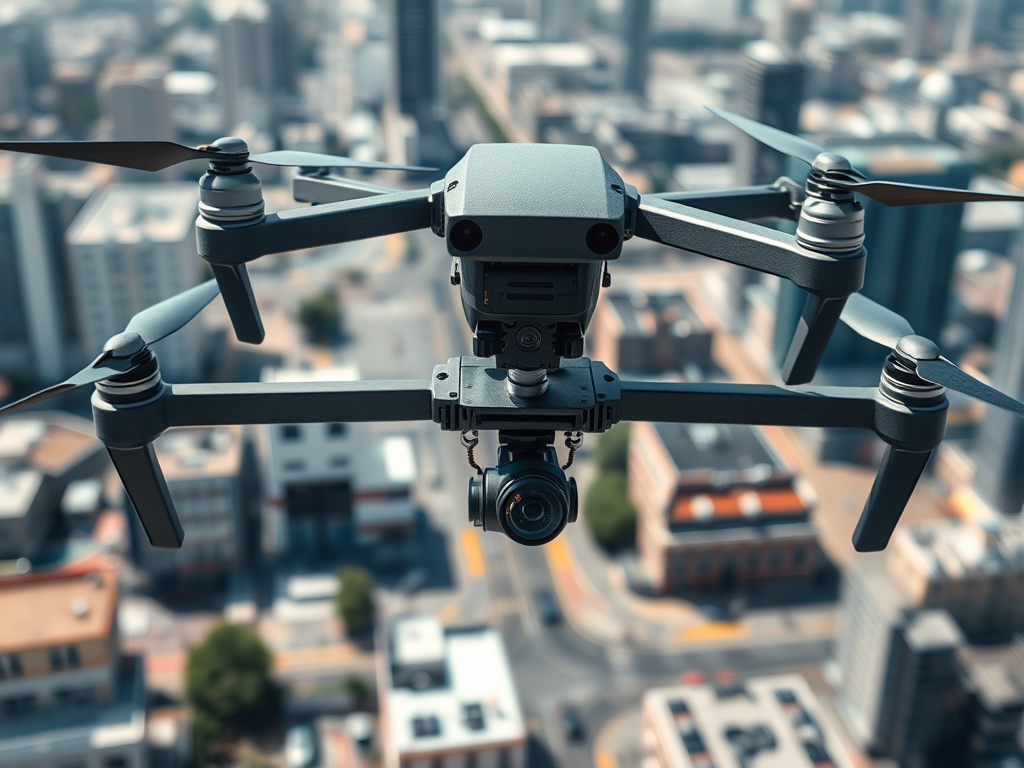
UGVs are robots that move on land. They have wheels or tracks like a tank. Armies use them for tasks that are too risky for humans:
• Finding and getting rid of bombs
• Checking out dangerous areas
• Carrying heavy gear for soldiers
• Fighting enemies with guns
The U.S. military has robots like the TALON and PackBot. Russia uses the Uran-9 robot tank. These UGVs can go where it’s not safe for people.
Autonomous Underwater Vehicles (AUVs)
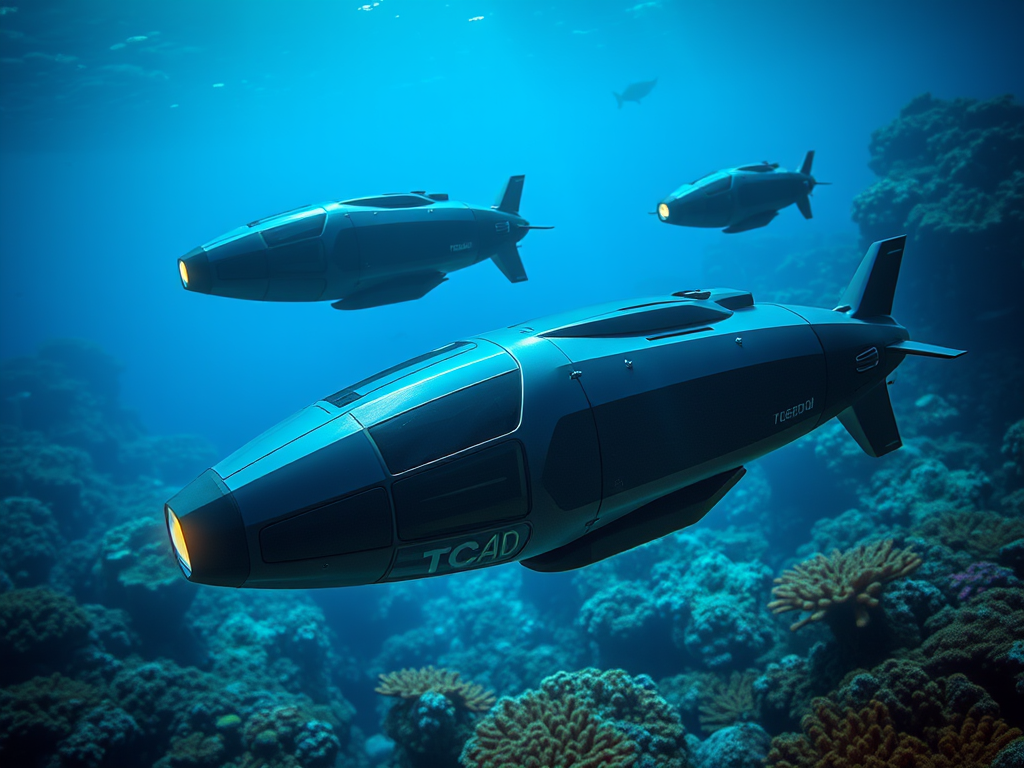
AUVs are robots that work in the water. They can dive deep into the ocean without a human inside. Navies use them for important jobs:
• Looking for mines on the sea floor
• Mapping the ocean bottom
• Spying on enemy ships and subs
• Testing water for chemicals
The U.S. Navy has AUVs like the Bluefin-21. Other countries are also making underwater robots. These machines help keep sailors safe from underwater dangers.
Applications in Surveillance and Reconnaissance
Military robots play a key role in surveillance and reconnaissance missions. They give armed forces a major advantage by gathering critical intelligence without risking human lives.
Unmanned aerial vehicles (UAVs) are widely used for aerial surveillance. These drones can fly over areas of interest and capture high-resolution images and video footage.
Some advanced UAVs have stealth capabilities, allowing them to operate undetected in hostile airspace. They provide real-time video feeds to commanders, enhancing situational awareness.
Ground-based robots are also used for surveillance in dangerous environments. They can enter buildings or navigate rough terrain to gather intelligence on enemy positions and activities.
The U.S., Russia, China, and Israel are leaders in developing surveillance robots. For example, Russia’s Uran-9 unmanned ground vehicle conducts reconnaissance missions in combat zones.
Many surveillance robots use artificial intelligence to analyze data in real-time. This helps military forces quickly identify threats and make informed decisions.
As technology advances, military robots are becoming smaller and more capable. Some countries are developing insect-sized spy robots for covert surveillance operations.
Logistics and Support Systems
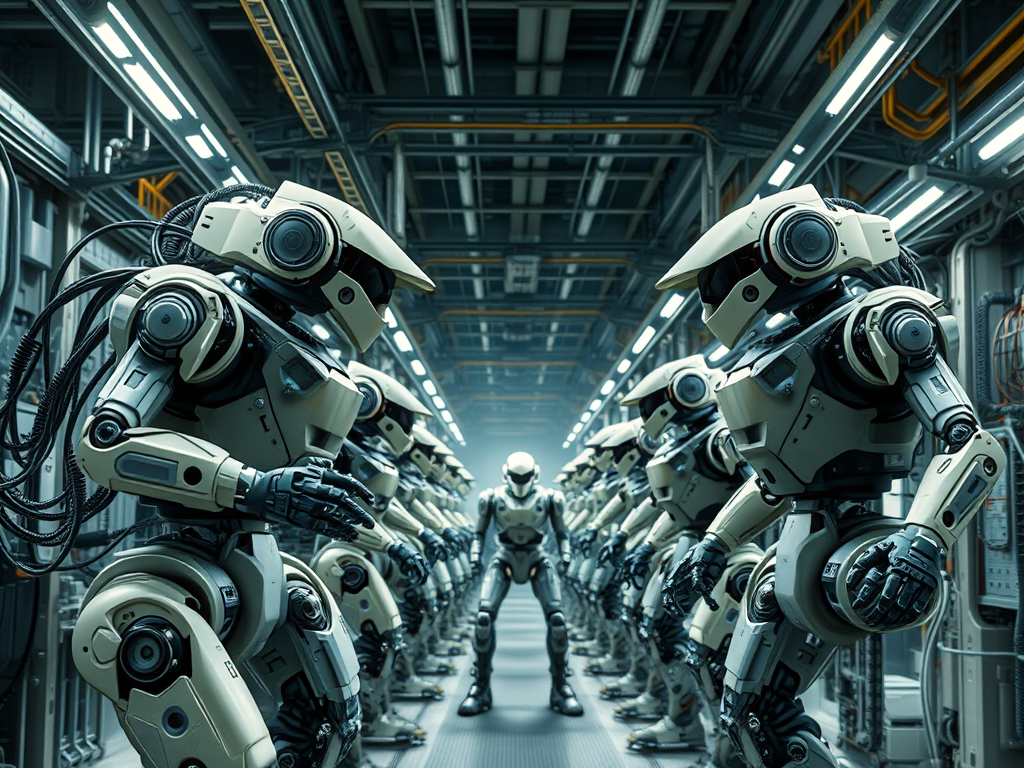
Military robots play a big role in logistics and support. They help move supplies and equipment on the battlefield.
Unmanned ground vehicles (UGVs) are key for logistics. They can carry heavy loads to support troops. This reduces the burden on soldiers.
The THeMIS is an example of a UGV used for support. It can move gear, do recon, and help with communication. This robot works alongside human soldiers.
Autonomous systems are changing military logistics. They can connect and work together in a network. This helps with supply chains and moving resources.
Robots can go where it’s risky for people. They bring food, water, and ammo to troops in dangerous areas. This keeps soldiers safer.
Some countries are testing robot supply trucks. These can drive themselves to deliver goods. They may reduce the need for human drivers in war zones.
Drone swarms might help with logistics too. They could drop small supplies to units in the field. This could be faster than ground transport.
As military robots advance, they’ll likely take on more support roles. This could make armies more efficient and reduce risks to human personnel.
Challenges in Military Robotics
Military robots face several major hurdles as they become more advanced. These challenges touch on ethics, technical limits, and real-world use.
Ethical Considerations
The use of autonomous weapons systems raises deep moral questions. Some worry these robots could make life-or-death choices without human input. This may lead to unfair targeting or excessive force.
There are also concerns about accountability. If a robot makes a mistake, who is responsible? The programmer, manufacturer, or military commander?
Many groups push for international laws on robot weapons. They want to ban fully autonomous systems that can pick and attack targets on their own.
Technical Limitations
Military robots still have key technical weak points. Their sensors and AI can struggle in complex or changing settings. Bad weather, smoke, or clever camouflage may confuse them.
Power is another big issue. Many robots have short battery life. This limits how long they can work without recharging.
Hacking and jamming are serious risks too. Enemy forces might take control of robots or block their signals. Strong cybersecurity is vital but hard to guarantee.
Operational Challenges
Using robots in real combat brings practical problems. Troops need special training to work with these high-tech tools. This takes time and money.
Robots can break down or get stuck. Fixing them in the field is often tricky. Units may need tech experts with them.
Integrating robots into existing teams and tactics is complex. Human soldiers must learn to trust and rely on their robotic partners. This shift in military culture will likely take years.
Another key challenge is human-robot communication in noisy, stressful battle conditions. Clear, quick info sharing is crucial to avoid mistakes and friendly fire.
Role of AI in Future Warfare
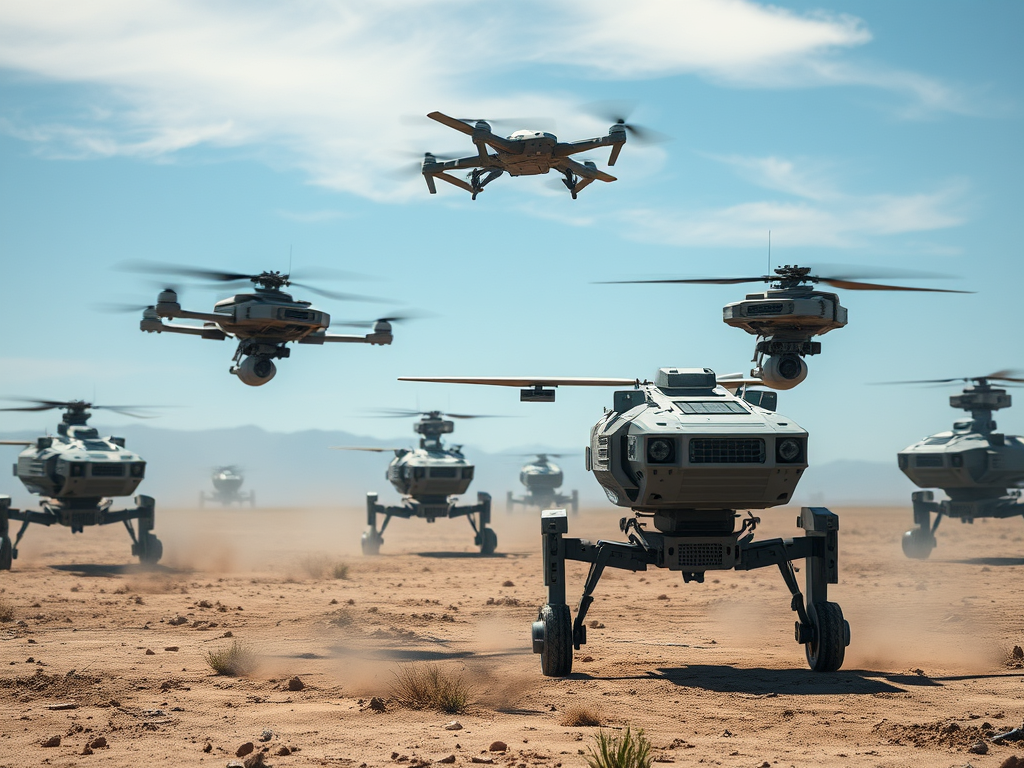
AI is changing how militaries fight wars. Robots and smart weapons are becoming more common on battlefields. They can do many jobs that humans used to do.
Drones with AI can fly on their own and gather information. They don’t need a human pilot. This makes spying and scouting safer and easier.
AI helps robots move around on the ground too. These machines can carry supplies or even fight. They don’t get tired or scared like human soldiers.
Some AI weapons can pick targets by themselves. This is still new and causes debate. People worry about machines making life-or-death choices.
AI also helps plan battles and process data. It can look at lots of information fast. This helps commanders make better choices.
As AI gets smarter, it will change warfare more. Battles might happen faster than humans can keep up with. Countries are racing to make the best military AI.
But there are risks too. AI could make mistakes or be hacked. This could lead to accidents or make wars worse. Many people think there should be rules about AI in war.
Disposal and Hazards Management
Military robots play a key role in handling dangerous materials and situations. Many countries use these machines for explosive ordnance disposal (EOD) tasks.
The United States, Russia, China, and Israel lead in developing EOD robots. These robots can detect, disarm, and neutralize explosives without putting humans at risk.
FLIR, a major robotics company, has provided over 7,000 unmanned ground systems to 55 countries. Their robots help troops, first responders, and the public stay safe from bombs and hazardous materials.
EOD robots have special features that make them effective:
- Real-time communication systems
- Cameras and sensors for threat detection
- Robotic arms for handling explosives
- Mobility to access hard-to-reach areas
These robots also assist with logistics in dangerous zones. They can move supplies and equipment where it’s unsafe for humans to go.
Conclusion
Several countries lead the way in military robotics development. The United States stands at the forefront. It invests heavily in research and advanced systems like the MQ-9 Reaper drone.
China and Israel also play significant roles in this field. Their investments drive innovation and set standards for other nations to follow.
These leading countries’ efforts have far-reaching impacts. They shape the future of warfare and influence global defense strategies.
Military robots are becoming more sophisticated. Some can now communicate with other systems and work alongside human soldiers.
As technology advances, more countries may join the ranks of leaders in military robotics. This could further transform modern warfare and defense capabilities worldwide.


 TechPowered
Leave a comment